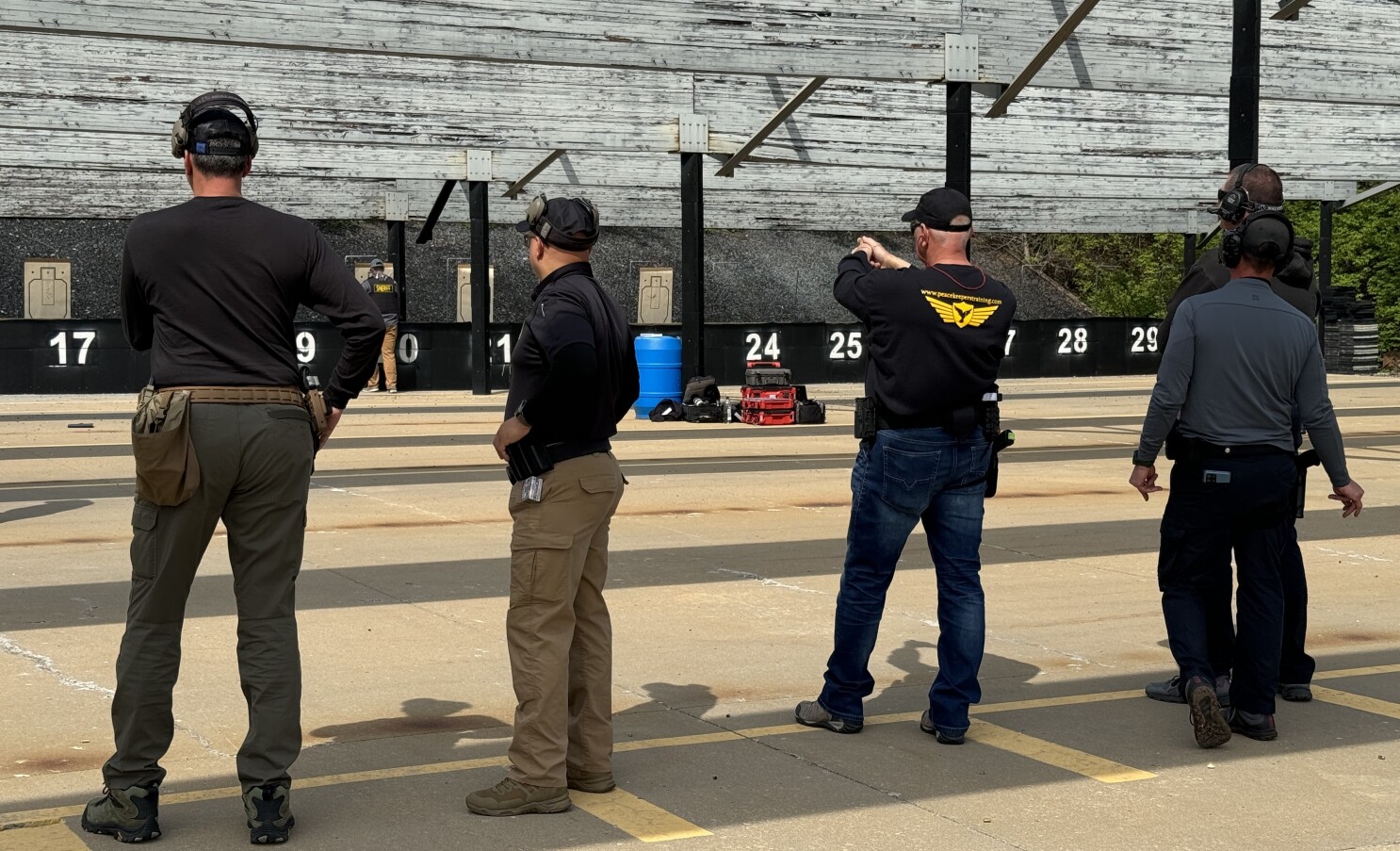
The role of an armorer within law enforcement is crucial. These highly skilled experts are in charge of preserving, mending, and personalizing the weapons and gear that police officers depend on for their security and efficiency. A law enforcement armorer must have a deep understanding of weapon systems, the nuances of different firearms, and the intricacies of their mechanical components. This is where an Armorer School comes in – offering specialized training that equips individuals with the knowledge and skills necessary to excel in this vital profession.
The Core Of Law Enforcement Armorer Training
Law enforcement armorer schools provide a comprehensive education that covers a wide range of topics critical to firearm maintenance and safety. Unlike typical firearms training, which focuses on handling weapons in tactical situations, armorer training is centered on the mechanical and technical aspects of firearms. This ensures that law enforcement officers’ weapons are in optimal working condition at all times. The curriculum typically includes in-depth lessons on firearm design, assembly, disassembly, diagnostics, repair, and troubleshooting.
One of the standout aspects of these programs is their hands-on approach to learning. Armorers are not just taught theories or theoretical scenarios; they are required to perform practical tasks that mimic real-world situations they will encounter while on duty. From routine maintenance to complex repairs, training involves direct interaction with various types of firearms and equipment, including rifles, handguns, shotguns, and even specialized police equipment like stun guns and flashlights. For those interested in diving deeper into the specifics of law enforcement armorer schooling, an in‑depth guide to law enforcement armorer schooling opportunities provides more detailed insights into available programs and what prospective students can expect from their training.
Real-World Applications Of Armorer School Training
The training provided by armorer schools is not just academic – it has a significant real-world impact. Law enforcement agencies rely heavily on the knowledge and skills of their armorers to ensure that their officers’ firearms are always operational, properly maintained, and ready for use in high-stress situations. An armorer’s ability to quickly identify and repair issues or even predict potential malfunctions is vital to ensuring the safety and readiness of an entire department.
Additionally, law enforcement armorers are also responsible for modifying and customizing firearms to meet specific needs or regulations within their department. This might include adjusting the sights for improved accuracy or adding accessories that increase functionality and versatility. Through their training, armorers develop a keen eye for detail, ensuring that each weapon is tailored to the officer’s requirements and the department’s standards.
Furthermore, law enforcement armorer training is essential for conducting forensic investigations in cases where a firearm has malfunctioned or been involved in an incident. Armorers possess the expertise to determine whether a weapon malfunctioned due to an equipment failure or human error, which can be a crucial factor in legal proceedings.
Specialized Training Methods
The training at a law enforcement armorer school goes beyond simple classroom instruction. Instructors with years of experience in the field impart their knowledge, often integrating real-life scenarios and case studies to demonstrate the complexities of maintaining and repairing firearms. Students are expected to engage in rigorous drills, allowing them to build confidence and develop problem-solving skills.
Knowing the rules and laws pertaining to law enforcement’s use of guns is another essential part of the training. This includes familiarizing oneself with local, state, and federal laws governing firearm use and ownership. Armorers must also be aware of the policies within their department and how they affect the maintenance, storage, and use of weapons. This regulatory knowledge is essential for ensuring that all firearms are not only in good working order but also compliant with legal standards.
In addition to practical workshops and classroom sessions, many armorer schools utilize simulators to replicate real-world environments. These tools provide a dynamic setting for students to practice their skills, learning how to respond to issues such as misfires, jams, and other common firearm malfunctions. Such immersive techniques reinforce the importance of quick thinking and precision under pressure, which is vital for the armorer’s role in real-life situations.
Professional Development Beyond The Basics
For many law enforcement agencies, armorer training is not a one-time event but rather an ongoing process. The field of firearm technology is constantly evolving, and new firearms and accessories are regularly introduced into law enforcement services. As such, armorer schools often provide continued education and professional development opportunities for individuals who have completed their initial training.
By attending advanced courses or specialized workshops, armorers stay up-to-date with the latest innovations in firearm technology, materials, and safety protocols. This continual learning ensures that law enforcement officers receive the best possible support and that their firearms remain safe, functional, and compliant with the latest regulations.
Conclusion
More than just a job, becoming a law enforcement armorer is a vital position that directly affects the effectiveness and safety of law enforcement operations. The specialized training provided by armorer schools equips individuals with the technical skills and real-world knowledge necessary to maintain and repair the firearms that law enforcement officers rely on. The practical, hands-on training guarantees that armorers are prepared to tackle the demands of this essential occupation, offering law enforcement organizations valuable support.