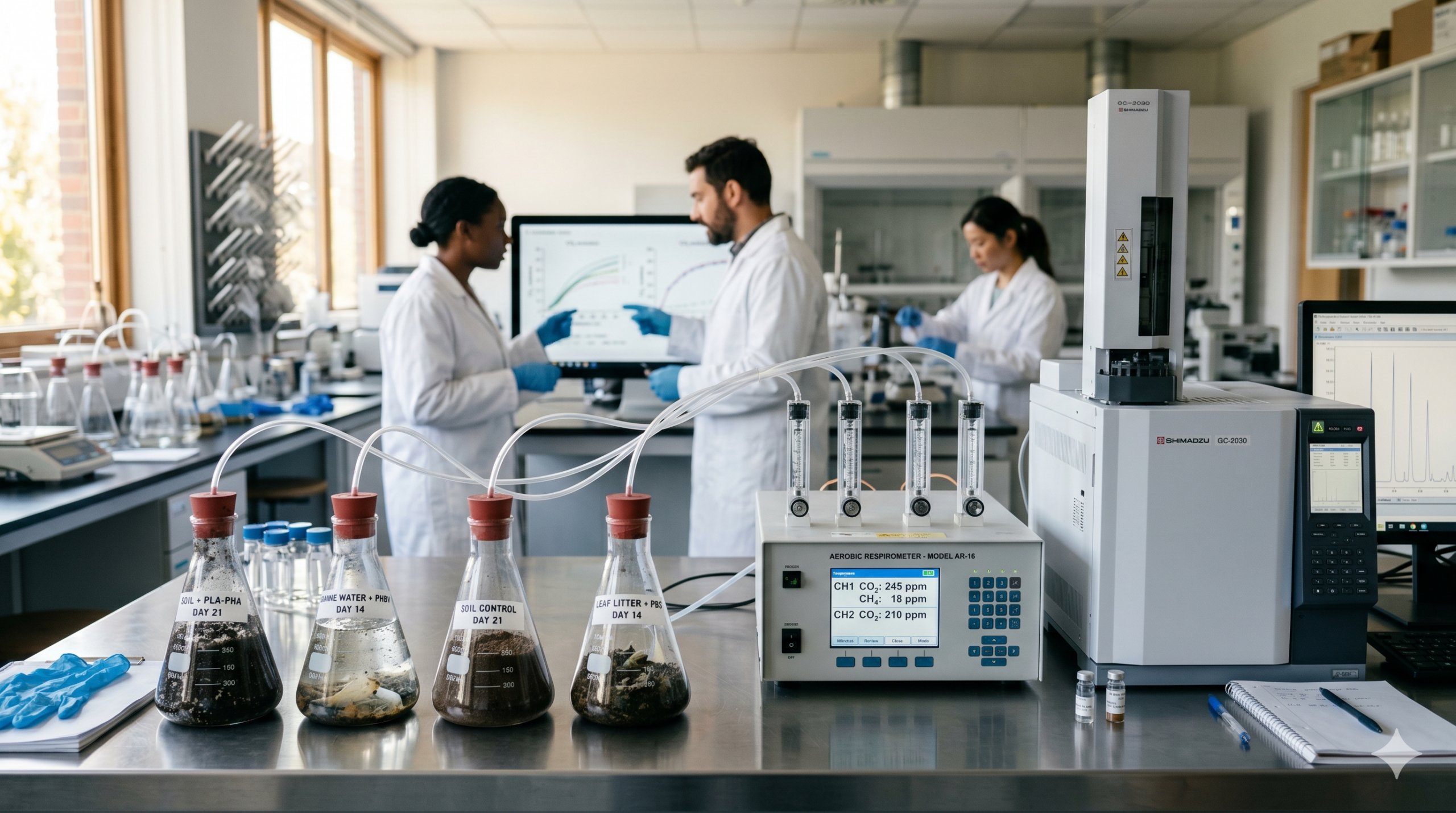
Organizations creating chemicals, formulations, and other items that could potentially find their way into the environment are increasingly taking biodegradability into account. In addition to producing data that may assist environmental evaluations and regulatory filings, reliable laboratory evaluation aids companies in understanding how compounds behave under certain biological conditions. Therefore, choosing the appropriate lab is crucial to getting significant findings.
By monitoring carbon dioxide generation during microbial breakdown, OECD 301B testing is a standardized method for assessing a substance’s ready biodegradability. Businesses should consider factors other than availability and cost when evaluating testing providers since the value of the resultant data is largely dependent on laboratory processes, technical skill, and proper study management.
Comprehending The OECD 301B Approach
The CO2 Evolution Test is another name for OECD 301B. A material is added to a mineral medium that contains microorganisms during the test. Carbon dioxide is created when microbes decompose biodegradable materials. To ascertain the degree of biodegradation, the lab monitors this carbon dioxide during the investigation.
The technique offers a controlled framework for determining whether a test material satisfies predetermined requirements for ready biodegradability. Careful test system setup, sufficient controls, an acceptable inoculum, and regular monitoring are necessary for accurate execution.
The procedure, including sample criteria, test settings, controls, measurements, and how findings will be presented, should be easily explained by a certified laboratory.
Seek Experience With Relevant Biodegradability
One of the most important factors to take into account when selecting a testing provider is laboratory expertise. Expertise in biodegradability investigations does not often follow from general analytical proficiency.
A laboratory that is used to OECD procedures is more likely to identify potential problems with certain compounds. Sample preparation and research design, for instance, may be impacted by traits like low solubility or peculiar physical qualities. Skilled workers may decide how to handle the material while maintaining the integrity of the conventional procedure.
Before starting research, organizations should talk to the laboratory about the nature of their material. This enables technical personnel to identify any issues and set up suitable testing protocols.
Assess Quality Control Methods
Consistent quality control throughout the investigation is necessary for accurate outcomes. The proper blanks, reference materials, and other controls mandated by the test guideline should be used in laboratories. These components aid in proving whether the biological system is operating correctly and whether the research satisfies relevant validity requirements.
Documentation is just as vital. Systems for documenting observations, measurements, computations, equipment details, and any deviations during testing are necessary for laboratories.
Businesses can consider how quality methods are integrated into study execution when comparing OECD 301B testing services. Clear responses on data review, equipment management, controls, and documentation might provide helpful insight into the laboratory’s methodology.
Think About Communication And Sample Handling
Before a sample is put into the test vessel, good testing starts. Clear instructions on the quantity of material needed, shipping circumstances, labeling, safety documents, and pertinent physical or chemical information should be provided by a laboratory.
Throughout the project, communication should be maintained. Clients gain from understanding how the laboratory responds to inquiries or study-related problems in the event of an unexpected observation. It may be simpler to comprehend what is going on throughout the testing process if you have access to competent technical staff.
When biodegradability testing is a component of a larger environmental testing program, a solid laboratory partnership is very helpful.
Examine The Reporting Standards
There should be more to a final report than just one biodegradation finding. It should include sufficient details so that readers may comprehend the methodology and findings of the research.
The test material, experimental settings, inoculum, controls, carbon dioxide measurements, computations, observations, and final interpretation are usually included in useful reports. It is also important to provide a thorough description of any pertinent deviations or odd discoveries.
Organizations may find out what information is often contained in a laboratory’s reports before choosing one. It is possible to guarantee that the final documentation is appropriate for its intended regulatory or technical purpose by being aware of the reporting format beforehand.
Making An Informed Laboratory Decision
Even small variations in preparation, monitoring, and recording might affect the value of the final results; biodegradability assessment requires meticulous laboratory effort. Selecting a supplier with the necessary technical skills helps in building trust throughout the testing procedure.
Finding a laboratory that can combine standardized methods with dependable study management and transparent reporting should be the aim for businesses looking to undergo OECD 301B testing. Higher quality biodegradability data for environmental evaluation, product development, and regulatory decision-making may eventually be obtained by careful laboratory selection.