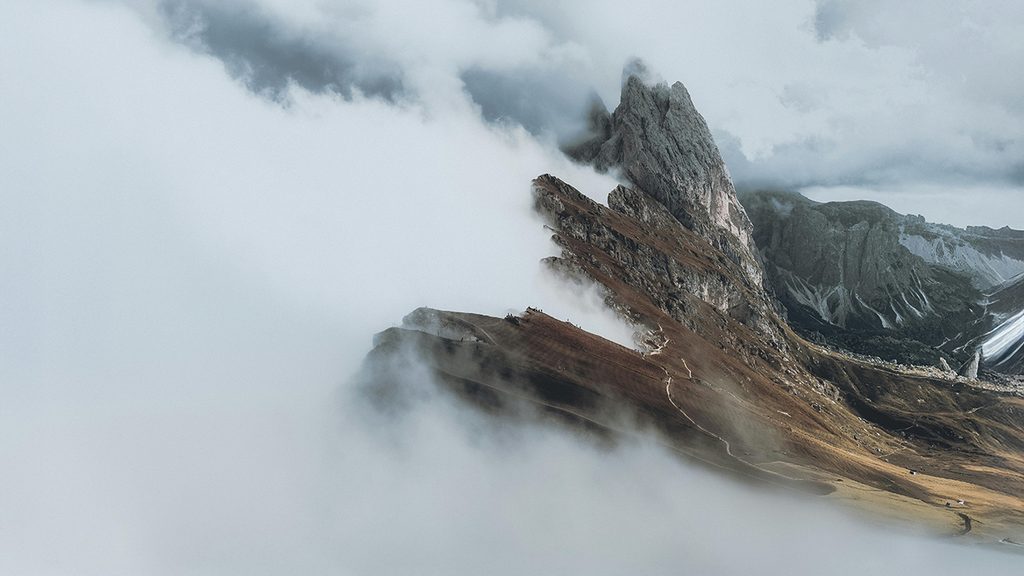
Mountain challenges are often measured by the number of summits reached, but the real difficulty lies in managing everything that happens between those summits. Long journeys, interrupted sleep, changing temperatures, and unexpected delays can gradually affect a participant’s ability to make good decisions. A successful mountain expedition requires understanding these less obvious challenges and preparing for situations that cannot always be predicted.
The 3 Peaks Challenge UK combines three demanding mountain ascents with considerable travel between locations. While reaching each summit is the primary objective, managing recovery, transportation, equipment, and group coordination is equally important. Participants who overlook these practical details may discover that their biggest difficulties arise outside the steepest sections of the mountains.
The Hidden Impact of Rapid Temperature Changes
Mountain environments expose hikers to temperature differences that can affect comfort and physical performance. A participant may begin walking in relatively mild conditions before encountering cold winds and significantly lower temperatures at higher elevations.
These changes influence how the body regulates heat. Wearing excessive clothing during strenuous uphill movement can cause sweating, while stopping in exposed areas may lead to rapid cooling.
Effective clothing management involves adjusting layers throughout the climb. Breathable base layers, insulating garments, and waterproof outerwear help participants respond to changing conditions without carrying unnecessary equipment.
Energy Management During Climbing Ben Nevis
One of the biggest mistakes during a demanding mountain expedition is using too much energy at the beginning. Excitement and motivation can encourage participants to walk faster than their bodies can comfortably sustain.
During Climbing Ben Nevis, maintaining a consistent effort is particularly important because the ascent involves prolonged uphill movement. Starting aggressively may cause muscular fatigue that becomes noticeable during the descent or subsequent climbs.
Experienced hikers often focus on sustainable movement rather than maximum speed. Short, controlled steps and consistent breathing can help reduce unnecessary energy expenditure. This approach becomes especially valuable when several demanding activities must be completed within a limited period.
Sleep Disruption and Its Effect on Decision Making
Sleep deprivation is one of the most underestimated difficulties in consecutive mountain climbs. Participants may spend many hours traveling, walking, and preparing equipment without receiving sufficient uninterrupted rest.
Lack of sleep can affect memory, concentration, emotional control, and risk assessment. A tired participant might overlook navigation instructions, misjudge distances, or become less aware of potential hazards.
Planning rest opportunities before the challenge is therefore essential. Participants should avoid beginning the expedition already exhausted. During transportation, passengers may benefit from short periods of sleep, although these cannot fully replace proper overnight recovery.
Drivers require particular attention because fatigue can seriously affect road safety. Using rested designated drivers who are not participating in the climbs is a sensible precaution.
Navigating Difficult Terrain While Climbing Scafell Pike
Mountain terrain creates challenges that are not always apparent from photographs or route descriptions. Rocky paths, irregular surfaces, and changing gradients require continuous attention.
During Climbing Scafell pike, participants may encounter loose stones, steep sections, and confusing route features. These conditions become more demanding when visibility is poor or the group is already physically tired.
Navigation should never depend entirely on following other walkers. Participants need suitable maps, reliable navigation tools, and sufficient knowledge to recognize incorrect routes.
Careful route selection also matters. The shortest route is not necessarily the safest, particularly when weather conditions or group experience make certain sections unsuitable.
Transportation Delays Can Change the Entire Schedule
Travel arrangements play a major role in completing consecutive mountain ascents. Road conditions, traffic congestion, vehicle problems, and unexpected stops can affect the available climbing time.
Poor transportation planning may create pressure to compensate for delays by reducing breaks or increasing walking speed. Both decisions can negatively affect physical performance and safety.
Organizers should develop realistic travel schedules with sufficient flexibility for unforeseen circumstances. Suitable vehicles, planned stopping points, and clear driver responsibilities can reduce unnecessary complications.
Equipment should also remain organized during transfers so participants do not waste valuable time searching for essential items.
Group Differences Can Affect Overall Progress
Not every participant will have the same fitness level, mountain experience, or walking speed. These differences can become increasingly noticeable as the expedition progresses.
A group that begins at a comfortable pace may gradually separate when stronger walkers move ahead. This creates communication difficulties and can leave slower participants feeling pressured to exceed their abilities.
Agreeing on group procedures before departure helps prevent these situations. Regular progress checks, designated leaders, and clear turnaround decisions encourage safer participation.
Knowing When to Change the Plan
One of the most valuable mountain skills is recognizing when circumstances require a different approach. Deteriorating weather, equipment failure, injury, or excessive exhaustion may make continuing inappropriate.
Participants should establish turnaround criteria before beginning each ascent. These might include unsafe weather conditions, insufficient daylight, navigation problems, or concerns about a group member’s physical condition.
Changing the schedule or abandoning a summit attempt should be viewed as responsible judgment rather than failure.
Conclusion
Mountain endurance adventures involve far more than climbing ability. Temperature management, energy conservation, sleep quality, navigation, transportation, and group coordination all influence the experience.
Preparing for these overlooked challenges allows participants to approach demanding mountain routes with greater confidence. Ultimately, the most meaningful achievement is not simply reaching multiple summits within a target time, but making informed decisions that protect everyone throughout the journey.