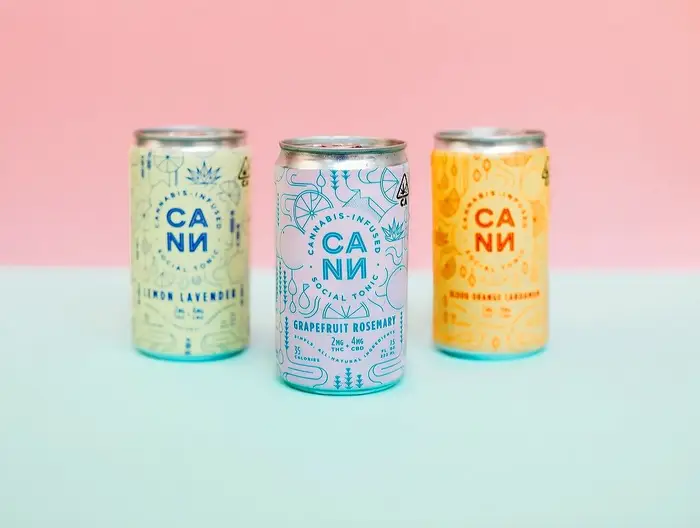
In recent years, the cannabis industry has witnessed a surge in innovation, with THC-infused beverages gaining popularity among consumers. Among these, THC seltzers have emerged as a refreshing and discreet option for cannabis consumption. But how exactly do these fizzy drinks interact with the body, and what sets them apart from other forms of cannabis consumption? In this comprehensive exploration, we delve into the intricate science behind THC seltzers, shedding light on their mechanism of action and effects on the human body.
What Is Thc Seltzers:
Tetrahydrocannabinol, or THC, is a psychotropic chemical found in cannabis. Some drinks, such as THC seltzers, have this ingredient added to them. Unlike traditional edibles or smoking, which involve absorption through the digestive system or lungs, respectively, THC seltzers offer a unique route of administration. These carbonated drinks typically contain nano-emulsified THC, allowing for rapid onset and increased bioavailability.
Mechanism Of Action:
Upon consumption, THC seltzers travel down the esophagus and into the stomach, where the process of absorption begins. The THC molecules are encapsulated within nano-sized droplets, which enhance their solubility and permeability across cell membranes. In comparison to conventional edibles, the effects of this nano-emulsified THC product are more constant and start working sooner since it avoids the liver’s first-pass metabolism.
In the body, THC interacts with the endocannabinoid system (ECS), a web of receptors and neurotransmitters that controls a wide range of processes after absorption into the bloodstream. The primary receptors targeted by THC are the CB1 and CB2 receptors, which are abundant in the brain, nervous system, and peripheral tissues.
Effects On The Body:
The activation of CB1 receptors in the brain leads to the psychoactive effects commonly associated with THC, including euphoria, relaxation, altered perception of time, and enhanced sensory perception. The degree to which these effects manifest depends on a number of factors, including dosage, individual tolerance, and cannabis profile.
Not only does THC have intoxicating effects, but it also has several medicinal uses. Research suggests that THC may have analgesic, anti-inflammatory, neuroprotective, and antiemetic properties, making it potentially beneficial for conditions such as chronic pain, inflammation, neurodegenerative diseases, and chemotherapy-induced nausea and vomiting.
Furthermore, THC interacts synergistically with other cannabinoids and terpenes present in cannabis, a phenomenon known as the entourage effect. This synergism enhances the therapeutic potential of THC and may contribute to the unique effects observed with different cannabis strains and formulations.
Factors Affecting Absorption And Effects:
Several factors influence the absorption and effects of THC seltzers, including dosage, individual metabolism, and food intake. Consuming THC seltzers on an empty stomach may lead to faster onset and stronger effects compared to consuming them with food, which can delay absorption.
Residents can now buy THC seltzer New York to enjoy a refreshing and discreet cannabis experience, thanks to advancements in nano-emulsification technology and evolving regulatory frameworks.
Conclusion:
THC seltzers represent a novel and convenient option for cannabis consumption, offering a refreshing alternative to traditional edibles and smoking. By leveraging nano-emulsification technology, these fizzy drinks deliver THC in a fast-acting and predictable manner, with effects that are both psychoactive and therapeutic.
However, it is essential to understand the science behind THC seltzers and their effects on the body to ensure safe and responsible consumption. As research in this field continues to evolve, it is hoped that THC seltzers will emerge as a valuable addition to the arsenal of cannabis-based therapies, providing relief for a wide range of health conditions while minimizing the risks associated with other forms of consumption.