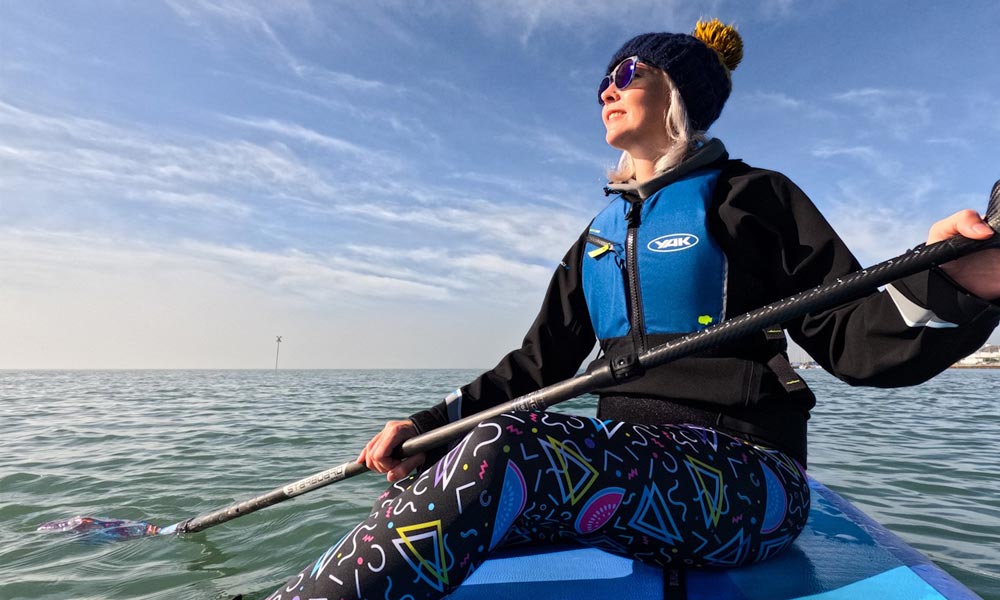
Kayaking offers an exciting way to explore waterways, enjoy nature, and experience outdoor adventures. Whether paddling across a peaceful lake, navigating a flowing river, or exploring coastal waters, having the right safety equipment is essential. Among the most important pieces of kayaking equipment is a buoyancy aid, which provides additional flotation while allowing paddlers to move comfortably.
Choosing the right buoyancy aid involves more than selecting a suitable size. Different water conditions, kayaking activities, and personal preferences influence which design will work best. Understanding these factors can help beginners and experienced paddlers make informed decisions before heading onto the water.
The Purpose of a Buoyancy Aid
A buoyancy aid is designed to provide additional flotation for people participating in water activities such as kayaking, canoeing, and paddleboarding. Unlike a life jacket designed to turn an unconscious person face up, a typical kayaking buoyancy aid is intended for conscious users who can assist themselves in the water.
One of its main advantages is freedom of movement. Kayaking requires continuous arm and upper body movement, so bulky safety equipment can make paddling uncomfortable. A properly designed buoyancy aid provides flotation while allowing paddlers to maintain their natural movements.
However, wearing a buoyancy aid does not eliminate water-related risks. Paddlers should still consider weather conditions, water temperature, swimming ability, and their experience before starting any journey.
Choosing Buoyancy Aids for Calm Lakes
Calm lakes are often popular with beginners because they generally provide more predictable paddling conditions than exposed coastal areas. However, even peaceful waters can present unexpected challenges, including sudden winds, changing weather, and accidental capsizing.
For recreational lake kayaking, comfort and proper fit should be major considerations. A lightweight buoyancy aid with adjustable shoulder and waist straps can provide a secure fit without restricting movement.
Breathable materials and comfortable padding are particularly useful during longer paddling sessions. Paddlers should also consider designs with practical storage pockets for small essentials.
Those using a sit on top kayak may benefit from a buoyancy aid with a shorter profile that does not interfere with the kayak seat. Since these kayaks have open seating arrangements, choosing equipment that supports easy movement and reboarding is especially important.
Selecting the Right Design for Coastal Waters
Coastal kayaking introduces additional challenges, including tides, waves, currents, and rapidly changing weather conditions. These environments require careful preparation and equipment suited to the intended journey.
When choosing a buoyancy aid for coastal paddling, look for a secure fit, suitable flotation, and durable construction. Adjustable straps help prevent the aid from riding upward when entering the water.
Bright colours and reflective details can improve visibility, particularly when paddling near other watercraft or in changing light conditions.
Some coastal paddlers prefer buoyancy aids with accessible pockets, attachment points, and compatibility with communication equipment. However, additional accessories should never interfere with paddling, swimming, or emergency movement.
For exposed waters, paddlers should also carry appropriate safety equipment and understand local conditions before launching.
Finding the Right Buoyancy Aid for Fishing Kayaks
Kayak fishing has become a popular outdoor activity because it combines paddling with the opportunity to explore different fishing locations. However, fishing often involves movements that differ from recreational kayaking.
Someone using a fishing kayak may spend extended periods sitting, casting, retrieving equipment, and reaching for tackle. Therefore, a buoyancy aid should allow comfortable upper body movement without restricting access to fishing gear.
Models with shorter back panels or seat-compatible designs can be particularly useful for kayaks with raised seating systems.
Storage pockets may also provide convenient access to small fishing accessories. Nevertheless, paddlers should avoid overloading their buoyancy aids with unnecessary equipment, as this can affect comfort and movement.
A secure fit remains essential, especially when leaning sideways or attempting to reboard after an accidental capsize.
Why Proper Fit Matters More Than Appearance
Even a high-quality buoyancy aid may not provide the intended protection if it does not fit correctly. An oversized design can move excessively, while a tight fit may restrict breathing and paddling movements.
Before purchasing, paddlers should check the manufacturer’s sizing recommendations, including weight and chest measurements where applicable.
Trying on the buoyancy aid while seated can help identify potential discomfort. The shoulder straps should remain secure, and the lower section should not interfere with the kayak seat.
A useful fitting check involves gently pulling upward on the shoulder area after fastening the straps. If the aid moves significantly toward the face, adjustments or a different size may be necessary.
Considering Materials, Durability, and Maintenance
Regular exposure to sunlight, moisture, and saltwater can gradually affect kayaking equipment. Choosing a buoyancy aid made from durable materials can help maintain its condition during frequent use.
After paddling, particularly in coastal environments, rinse the equipment with fresh water to remove salt and dirt. Before storing it, let it dry naturally in a well-ventilated space.
Paddlers should also inspect straps, buckles, stitching, and flotation materials regularly. Before going back into the water, any obvious deterioration or damage should be fixed. Following the manufacturer’s care instructions can help extend the useful life of the equipment.
Conclusion
Choosing the right buoyancy aid is an important part of preparing for enjoyable and responsible kayaking adventures. From calm lakes to challenging coastal waters, different environments require thoughtful consideration of comfort, fit, flotation, and practical features.
Whether exploring quiet waterways, paddling a sit on top kayak, or spending the afternoon aboard a fishing kayak, suitable safety equipment can make a meaningful difference. By selecting a well-fitted buoyancy aid and maintaining it properly, paddlers can enjoy greater comfort and confidence while exploring the water.