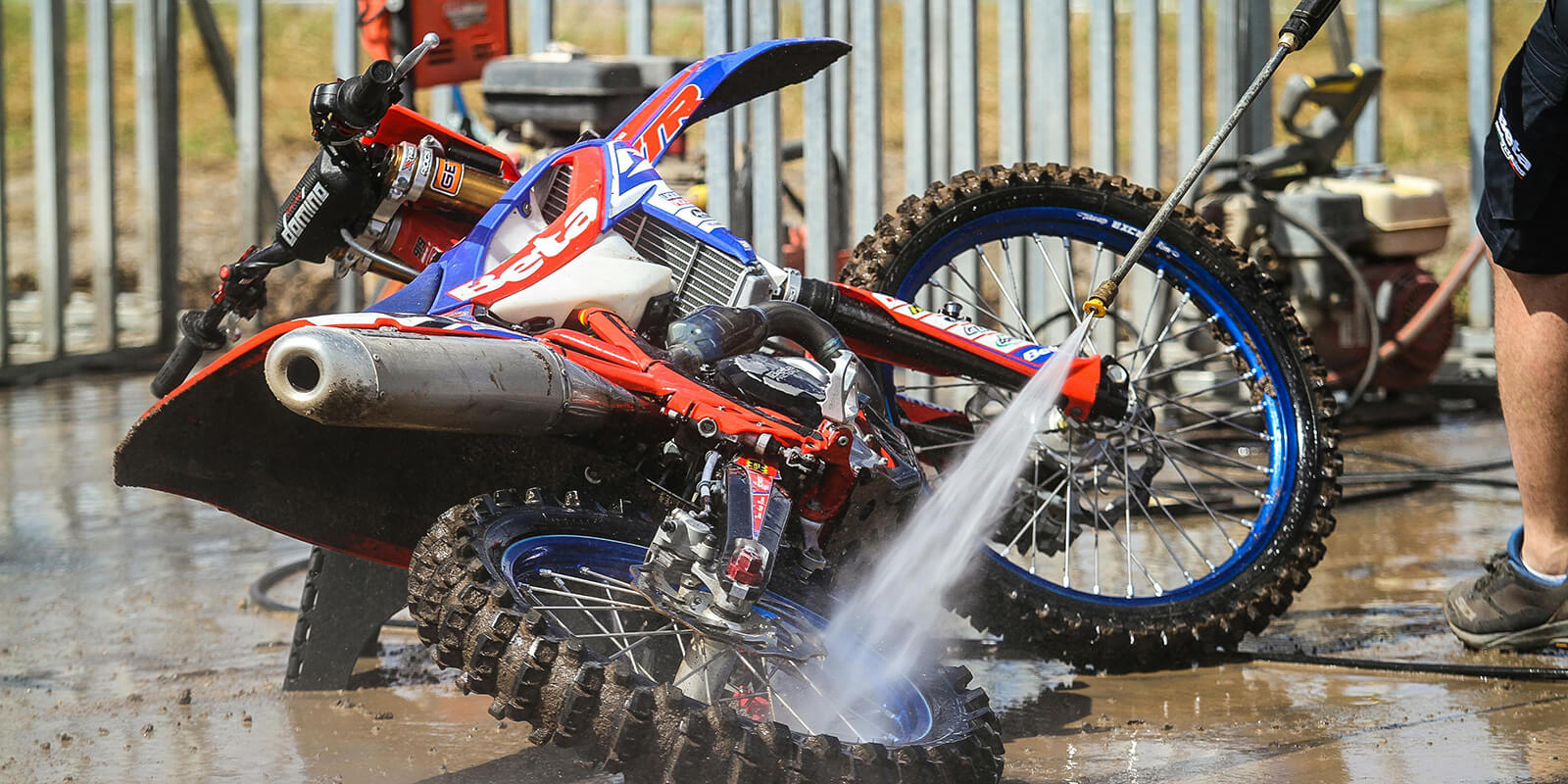
Cleaning a dirt bike is often treated as a simple cosmetic task, but removing accumulated dirt can provide a useful opportunity to examine the machine more closely. Mud, dust, grass, and other debris can cover components and make subtle Changes difficult to see. Once these materials are removed, unusual marks, developing corrosion, damaged surfaces, or other visible concerns may become easier to identify.
For this reason, cleaning can serve two purposes. It keeps the machine presentable while creating a regular opportunity to observe its physical condition.
Removing Dirt Exposes Previously Hidden Surfaces
Off-road riding naturally brings a motorcycle into contact with mud, sand, dust, vegetation, and loose material. Some debris remains visible, while other material collects around less obvious areas.
This buildup can conceal surfaces that would otherwise be easy to examine. When Dirt Bikes are cleaned carefully according to manufacturer instructions, owners have an opportunity to look at areas that may receive little attention between rides.
A clean surface makes comparison easier. Changes that might disappear underneath a layer of dried mud can become much more noticeable once the bike has been washed and dried.
Small Surface Changes Become Easier To Spot
Wear does not always begin with an obvious mechanical failure. Sometimes the first indication is a small physical change.
Scratches, unusual rubbing marks, chipped finishes, damaged protective pieces, or deterioration around frequently exposed areas can become visible during cleaning. Not every mark represents a serious problem, but noticing changes allows the owner to investigate rather than remaining unaware of them.
Regular cleaning also creates familiarity. When someone knows what a component normally looks like, something different is more likely to attract attention.
water-damage-top-causes-and-prevention-tips/" title="Hardwood Floor Water Damage: Top Causes And Prevention Tips">Fluid Traces Are More Noticeable On Clean Components
Residue and grime can make it difficult to determine whether a mark is old dirt or something that deserves further investigation. Cleaning provides a clearer starting point.
Once components are clean and dry, unexpected fresh fluid traces may be easier to recognise. Rather than attempting an uncertain repair, an owner can have the source checked by someone with appropriate mechanical knowledge.
The same principle can apply to Quad Bikes, where larger bodywork and multiple mechanical areas can collect substantial dirt during outdoor use. Keeping surfaces reasonably clean makes subsequent changes easier to distinguish from ordinary trail debris.
Cleaning Can Highlight Developing Corrosion
Moisture and outdoor storage conditions can affect exposed metal components over time. Dirt can hold moisture against surfaces, while dried mud may hide early discolouration.
Cleaning and properly drying a bike allows the owner to observe metal areas for visible signs of corrosion. Catching a developing issue early may allow the appropriate maintenance steps to be taken before deterioration becomes more extensive.
Owners should also follow manufacturer recommendations concerning cleaning products because aggressive chemicals or unsuitable methods may damage certain materials and finishes.
Moving Areas Can Receive Closer Attention
Cleaning naturally brings the owner closer to areas around wheels, controls, foot pegs, and other moving components. This creates an opportunity to notice visible irregularities such as unexpected movement, damaged coverings, or parts that appear different from their usual position.
Cleaning should not become an excuse to dismantle unfamiliar components. If something appears questionable, the safer response is to consult the owner’s manual or an appropriately qualified person.
Electric Models Require Their Own Cleaning Approach
Different power systems may require different precautions. Electric Quad Bikes contain batteries, connectors, controllers, and other electrical equipment that should be treated according to the manufacturer’s cleaning guidance.
Owners should avoid assuming that every recreational vehicle can be washed using identical techniques. Instructions concerning water exposure, charging ports, electrical areas, and approved cleaning procedures should always take priority.
Understanding these differences turns cleaning into a more informed ownership practice rather than a one-method-fits-all routine.
Creating A Reliable Condition Baseline
Perhaps the greatest advantage of frequent cleaning is familiarity. Someone who regularly sees a machine in clean condition develops a mental picture of how its surfaces and visible components normally appear.
That baseline makes change easier to recognise. A new stain, unusual mark, damaged cover, or developing patch of corrosion stands out because the owner remembers what was there previously.
Regular cleaning therefore has value beyond appearance. When performed correctly, it creates repeated opportunities to observe the machine closely and recognise visible changes sooner. Combined with scheduled servicing and manufacturer-recommended maintenance, this simple habit can become a useful part of responsible dirt bike ownership.